
Tiny Home Finance in Australia:
What Buyers Need to Know
Can You Finance a Tiny Home?
As interest in tiny homes and alternative housing continues to grow across Australia, many buyers naturally ask the same question:
The short answer is that finance options may be available, but the process is often different from traditional home loans. Understanding how lenders view tiny homes — and where specialist finance providers fit in — can help buyers navigate the process with greater clarity.
Why Tiny Home Finance Is Different
Tiny homes are often classified as non-standard dwellings, which means they don’t always fit neatly into conventional residential lending policies.
This can be due to factors such as:
Size and construction method
Whether the home is relocatable or permanently installed
The type of land it sits on (or whether land is owned at all)
Council approvals and building classifications
Intended use (owner-occupied, lifestyle, rental, or short-term accommodation)
Because of this, many mainstream lenders assess tiny homes differently – or may not consider them at all.
What Types of Tiny Homes May Be Considered for Finance?
Finance providers experienced in alternative housing may assess a range of tiny home and small dwelling formats, including:
Permanently installed tiny homes
Prefab and modular tiny homes
Class 1a compliant tiny homes
Backyard studios and guest houses
Small cabins and transportable dwellings
Each project is assessed individually, based on factors such as location, approvals, construction standards, and borrower circumstances.

Does Council Approval or Class 1a Compliance Matter?
In some circumstances, council approval and building classification can influence how a housing product is assessed by lenders. Assessment criteria vary depending on the building type, land location, intended use, and applicable state legislation, rather than a single approval pathway.
- Permanently installed dwellings
- Homes approved as Class 1a buildings under the NCC
- Projects that meet relevant building and safety standards
- Sites with clear planning or land-use permissions
That said, lender requirements differ significantly, which is why specialist finance providers can assist in identifying suitable options.
Important note:
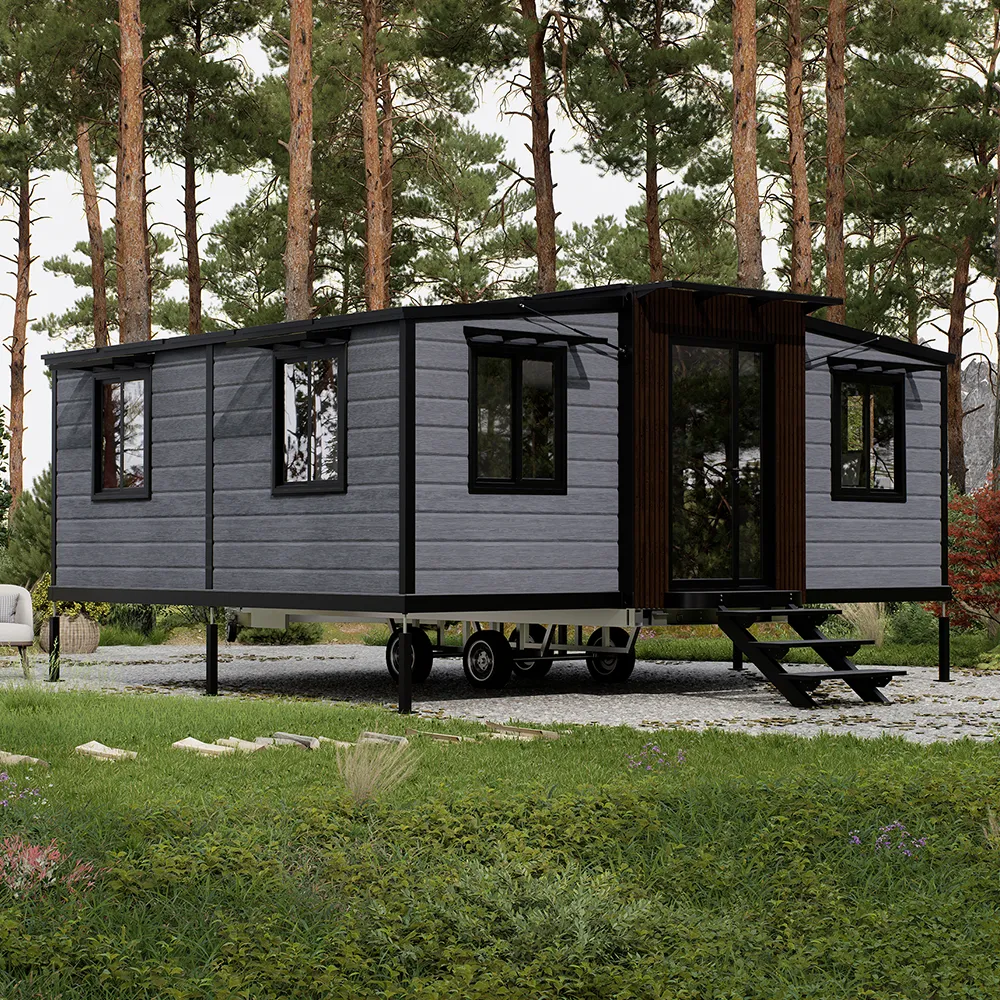
Council approval is determined by local council by-laws, state legislation, building classification, and land zoning. Requirements vary between states and councils. At the time of writing, caravan-style homes on trailers, such as MLH Expandable Homes, may be permitted in parts of NSW and Victoria without Council approval, depending on location and use.
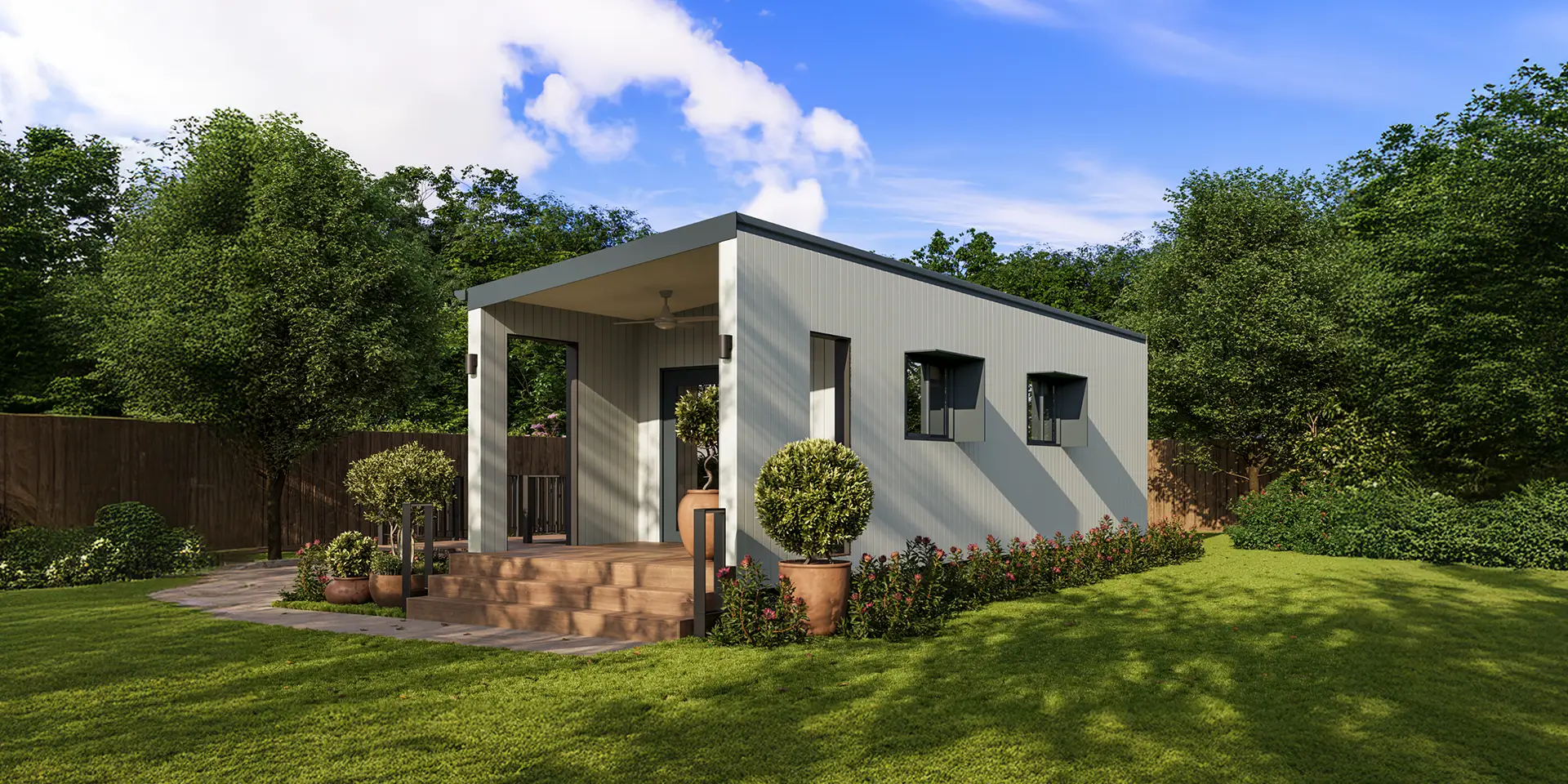
By contrast, SUCASA® Modular Homes are supplied as Class 1a compliant primary, secondary, or detached dwellings, subject to planning and building approvals.
Customers should always confirm requirements with their local council before installing any structure.
Can Tiny Homes Be Financed for Investment or Airbnb Use?
Some buyers explore tiny homes as:
- Backyard rental accommodation
- Holiday or short-term stays
- Lifestyle or regional investment projects
Finance availability for investment use depends on a range of factors, including:
- Local planning rules
- Intended rental model
- Ownership structure
- The lender’s policies regarding alternative dwellings
Independent finance specialists can assess these factors directly with borrowers.

The Role of Specialist Finance Providers
Because tiny homes sit outside traditional housing models, many buyers choose to speak with independent finance brokers who specialise in alternative housing.
Specialist brokers may:
Understand how lenders view tiny homes and prefab dwellings
Work with lenders familiar with non-standard construction
Assess owner-occupier, lifestyle, and investment scenarios
Help borrowers understand what information lenders typically require
Importantly, finance discussions always occur directly between the buyer and the licensed finance provider.
How My Little House Can Help
While My Little House and SUCASA® Modular Homes do not provide financial or credit advice, we recognise that finance is an important part of the decision-making process.
For this reason, we connect interested customers with independent finance specialists who have experience working with tiny homes, modular homes, prefab dwellings, and other alternative housing projects across Australia.
You can learn more about finance pathways and our approach on our dedicated Finance page.
Final Thoughts
Tiny homes offer a flexible and increasingly popular housing option — but financing them requires a different approach to standard residential property.
By understanding how lenders view tiny homes, and by speaking directly with experienced finance specialists, buyers can explore available pathways with greater confidence and clarity.
Disclaimer
This article is general information only and does not constitute financial or credit advice. My Little House and SUCASA do not provide financial advice or credit assistance. Any finance discussions occur directly between the customer and an independent, licensed finance provider.