Between rising costs and the hassle of traditional builds, more Aussies are looking at smart, alternative ways to live. Two of the most popular options right now are expandable homes and modular homes. If you are scratching your head trying to figure out the difference between the two, you are not alone. It can be confusing.
In this guide, we are going to explain exactly what an expandable home is, how it works, and how it stacks up against a modular home. Whether you need a quick teenager’s retreat, a home office, or a permanent granny flat, understanding these differences will help you choose the right setup for your lifestyle.
What Exactly is an Expandable Home?
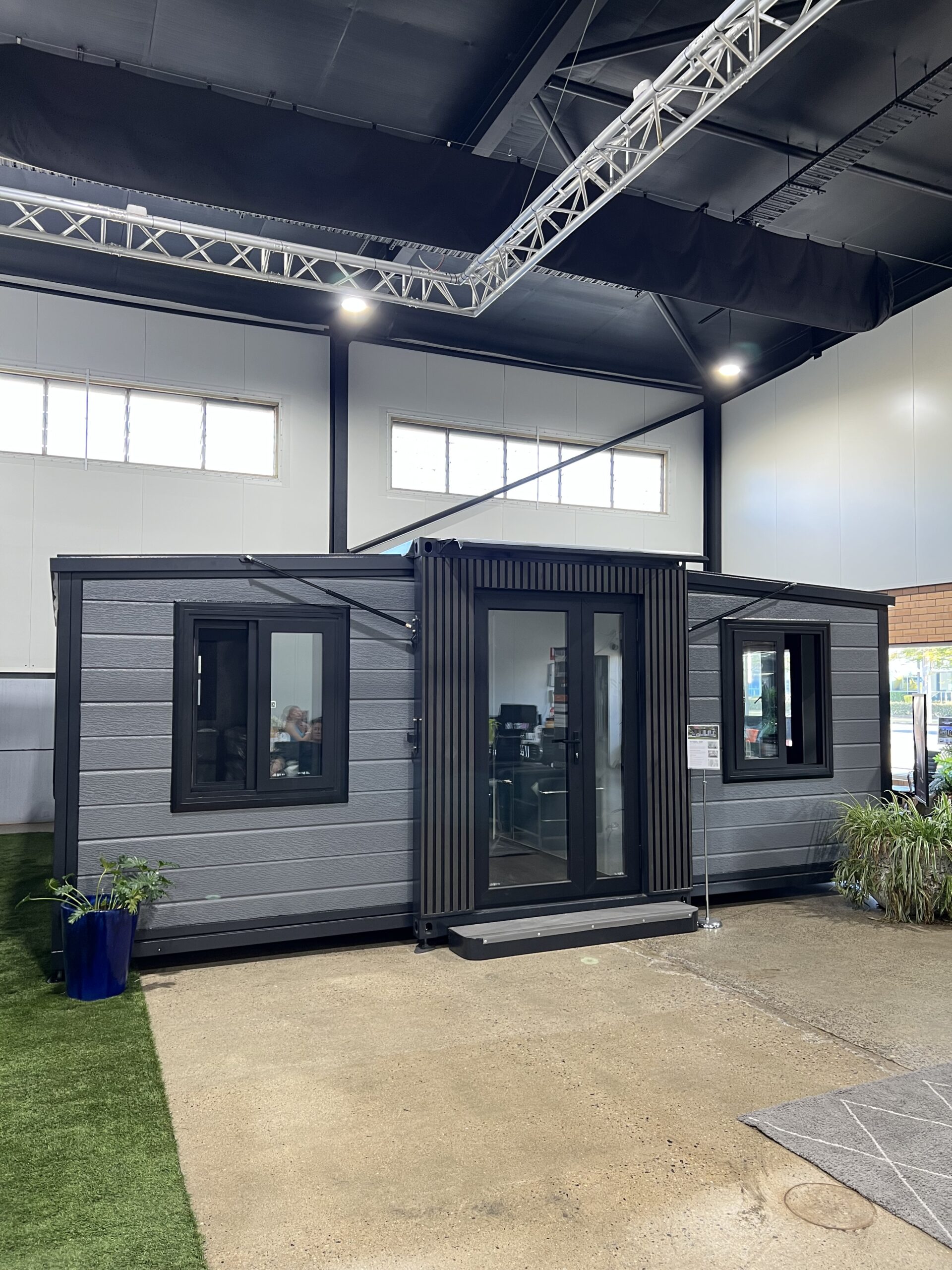


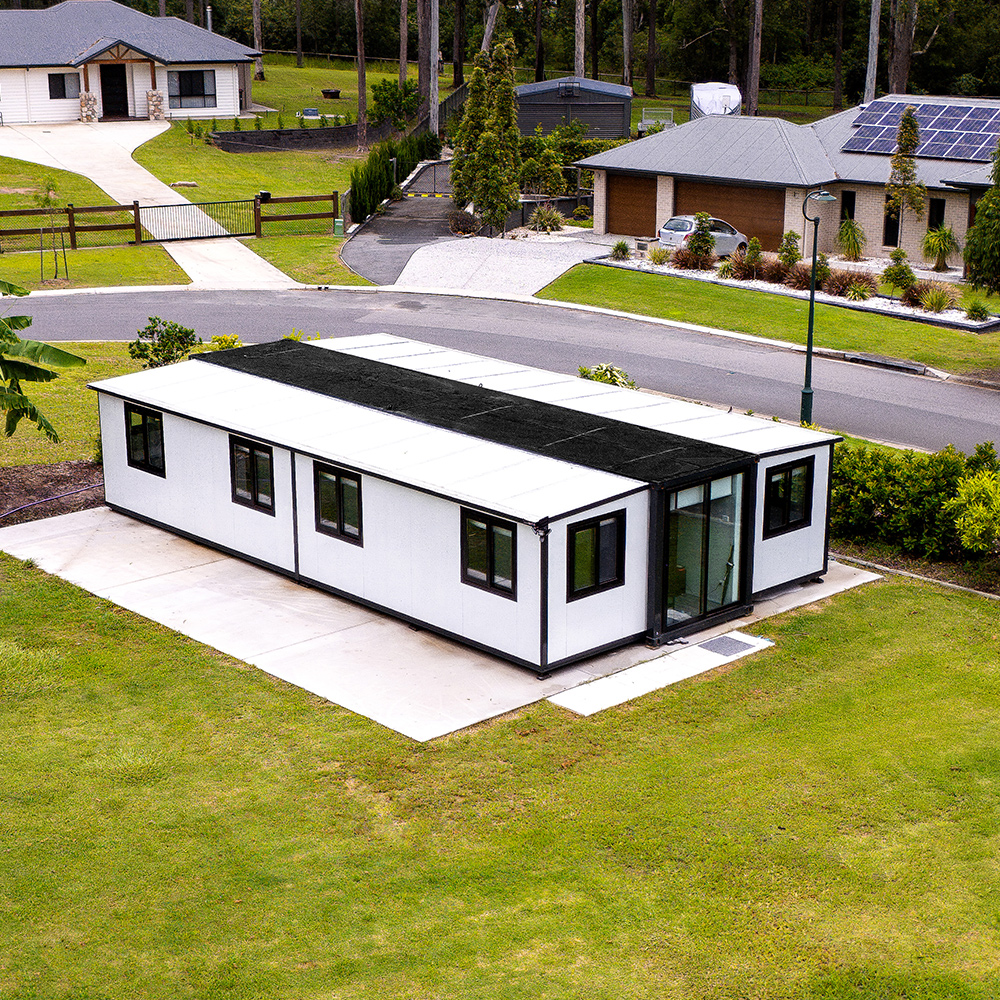
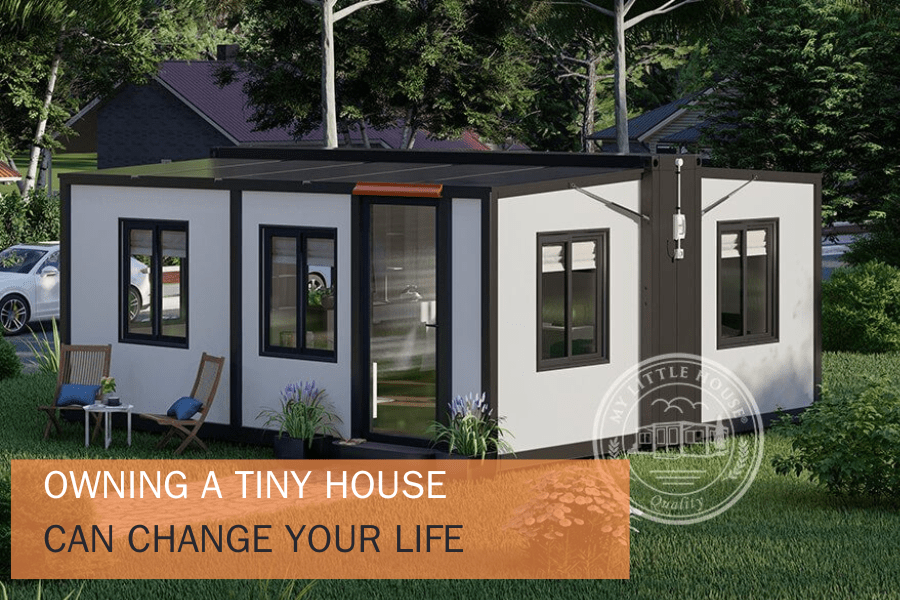
Think of an expandable home as the ultimate flexible living solution. These clever fold-out structures are engineered specifically for easy transport and rapid deployment. It is important to note that these are purpose-built homes, not converted shipping containers.
Once they arrive at your property, the real magic happens. The sides fold out, or you could say “expand”, to create a surprisingly spacious living area. Within a matter of hours, what looked like a compact, transportable unit transforms into a fully functional space with walls, windows, and a roof.
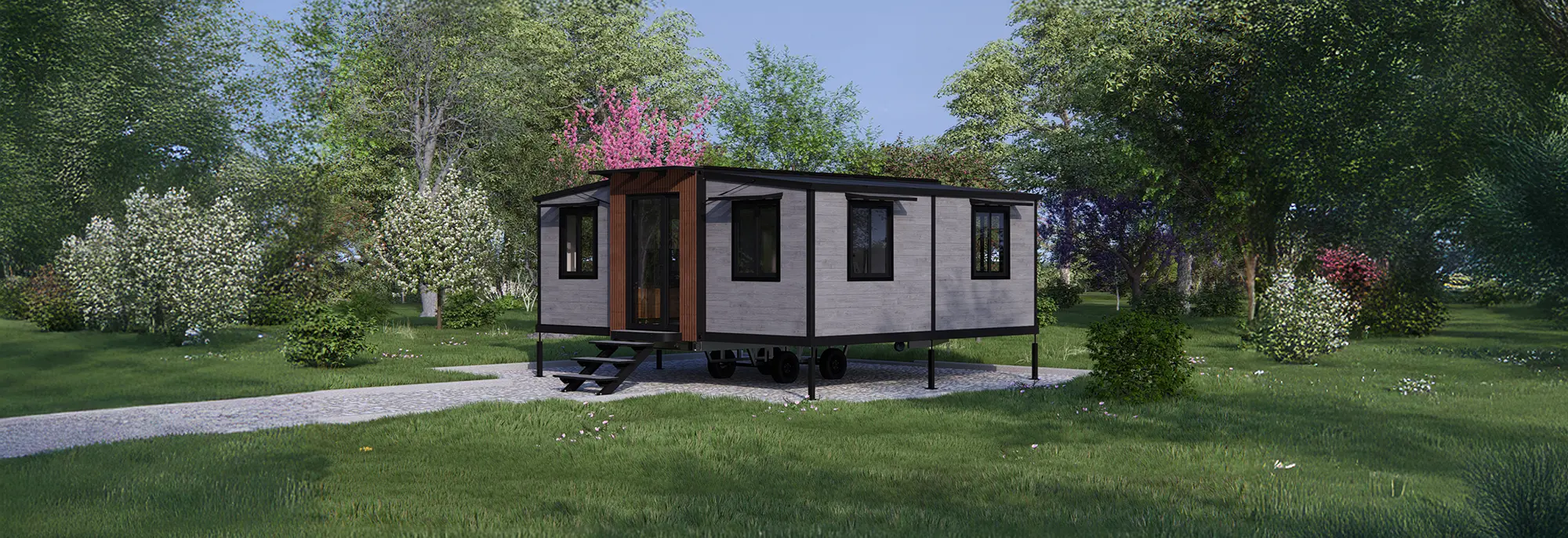
It is also worth noting that many expandable homes can be set up as tiny homes on wheels. By mounting the expanded structure onto a custom trailer chassis, they gain even more flexibility, allowing them to be classified as caravans or transportable vehicles in many jurisdictions.
Navigating Council Rules for Expandables:
Expandable homes are brilliant if you need space in a hurry. However, because they are typically classed as semi-permanent or relocatable structures, council regulations can be a bit of a minefield.
The rules differ wildly from council to council across Australia. If you are out in rural Australia or on a large acreage, getting an expandable home or a tiny home on wheels onto your block is often a straightforward, easy process. But if you are in a metro area or a densely populated suburb, councils can be much stricter about what you can place in your backyard and how long you can live in it.
*It is always crucial to check your local guidelines before even considering your options!
What is a Modular Home?
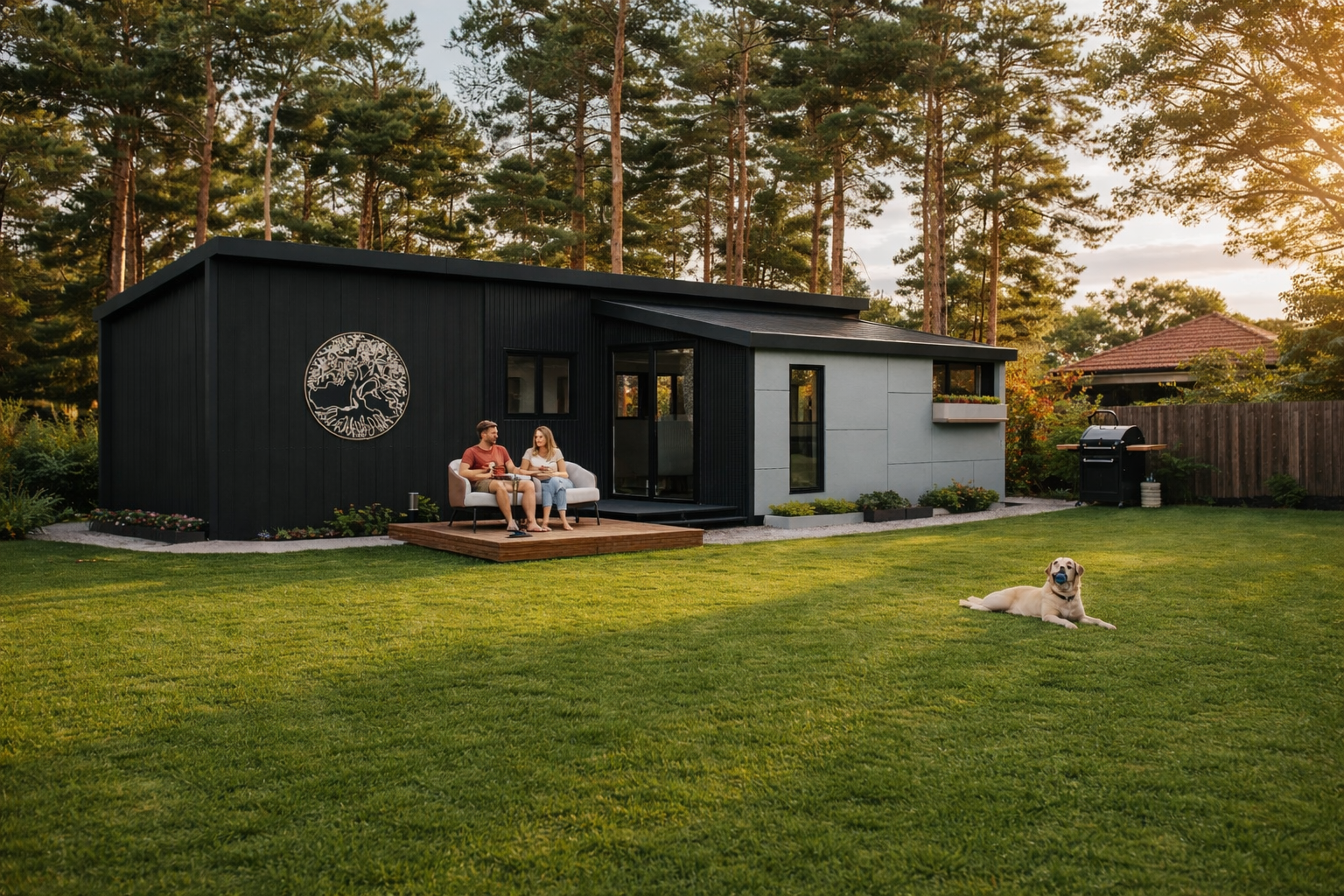
A modular home is a different beast entirely. While it is also built off-site, it does not fold up.
Instead, a modular home is constructed in large, complete sections (called modules) inside a factory. These modules are built from the floor up, complete with internal walls, plumbing, and electrical wiring. Once finished, these large sections are transported to your land on a wide-load truck and craned onto permanent foundations. The modules are then joined together to create a complete house.
Redefining the Standard: SUCASA® Modular Homes
For a long time, the word “modular” made people think of cheap, temporary dongas. But the industry has evolved, and at My Little House, we are redefining what a modular home can be.
Our SUCASA® Modular homes are fully Class 1 compliant. Because they meet the NCC performance requirements for permanent residential dwellings, councils treat them just like a normal dwelling or granny flat as they require compliance checks and documentation from design to completion stages that are confirmed by a private certifier. They are much easier to get approved for permanent living in metro areas compared to semi-permanent expandable due to the design and construction compliance along with a thorough compliance check of your property conditions to site the modular home.
Which One Should You Choose?
If you are out on acreage, need a quick, cost-effective solution for a home business, or want the flexibility of a tiny home on wheels, an expandable home is a fantastic choice (Always check with your council requirements as the rules vary from council to council).
However, if you are in a suburban area looking to build a permanent granny flat for your parents, or you want to add serious, long-term value to your property without the council headaches, a modular home is the way to go.
Frequently Asked Questions:
1. What is an expandable home?
An expandable home is a purpose-built, prefabricated structure designed to fold down into a compact unit for easy transport. Once delivered to the site, the walls and roof fold out to create a larger, functional living or working space. They are not converted shipping containers, but rather engineered fold-out structures that can also be mounted on trailers to function as tiny homes on wheels.
2. Can I tow an expandable home myself?
Generally, no. Expandable homes are heavy, steel-framed structures that typically weigh over 3,000 kilograms. Transporting them requires a professional tilt-tray or flatbed truck, and driving such a vehicle in Australia requires a heavy vehicle licence (like an LR or MR class), as it exceeds the 4,500 kg limit of a standard car licence.
3. What is the difference between an expandable home and a modular home?
The main difference is their constructed structure and compliance. Expandable homes fold up for easy transport and are generally used for flexible, semi-permanent space. Modular homes, like the SUCASA® range, are built in solid sections, permanently attached to foundations, and are Class 1a compliant for long-term residential living.
4. Do expandable homes need council approval in Australia?
Yes, but the rules vary significantly. In rural areas, installing an expandable home or a tiny home on wheels is often a quite easy process. However, in metro areas, councils can be much stricter about semi-permanent structures. It is always recommended to check your local council guidelines
5. Why is it easier to get council approval for a modular home?
High-quality modular homes, such as the SUCASA® range, are designed and constructed to meet Class 1a National Construction Code (NCC) performance standards. This means building certifiers classify them as permanent 1A residential dwellings, just like a traditional brick-and-mortar house, making the approval process for permanent living much smoother.